top of page
Seasonal Home Tips
10 Steps to Winterize Your Home
Our Top 10 Checklist to Winterize Your Home:
1. Seal Up the Drafts:
-
Drafty windows and doors can let in cold air, making your home feel like a fridge. Use weatherstripping, caulk, or draft stoppers to seal up gaps around windows, doors, and any other openings.
Tip: Light a candle and hold it near doors and windows. If the flame flickers, you’ve got a draft!
2. Insulate Your Pipes
-
Burst pipes can be a winter nightmare, so insulate any exposed pipes in your basement, crawl space, or attic. This will help prevent freezing and costly repairs.
Pro Tip: Foam pipe sleeves are a quick and inexpensive solution that anyone can install.
3. Insulate and Encapsulate Your Crawl Space
-
Winter is the perfect time to ensure that your crawl space is well-prepared for the colder months. Adding thermal insulation and encapsulation can help keep your home warmer, reduce energy costs, and prevent pipes from freezing.
Cost Saver: Sealing out drafts and insulating the area can save up to 30% on energy costs.
4. Clean Out the Gutters
-
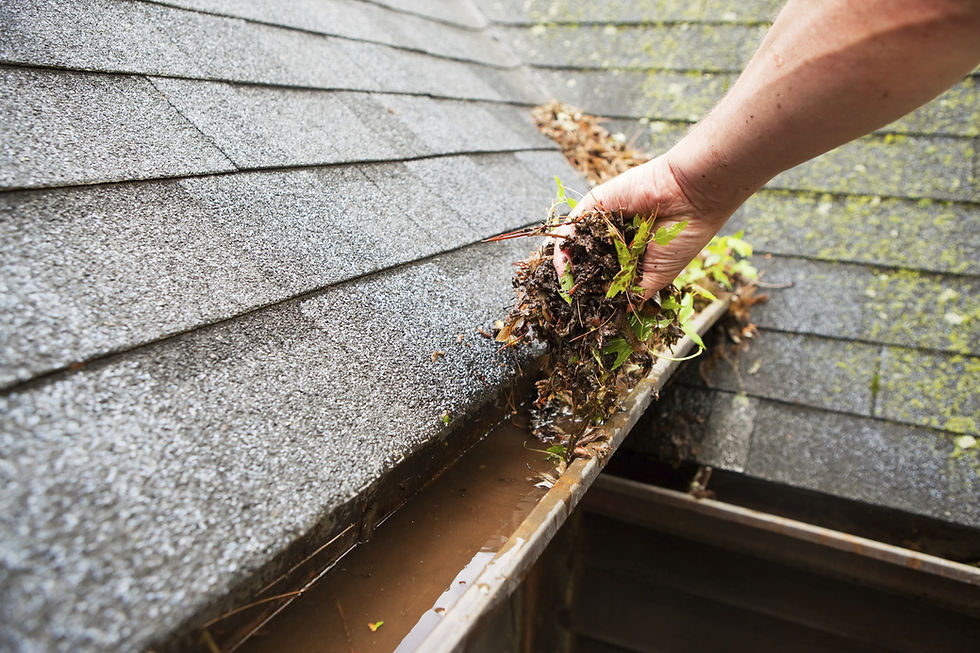
Fallen leaves can clog gutters, leading to ice dams and potential leaks. If you feel comfortable, grab a ladder and clear out any debris to ensure water flows freely. Consider contacting a professional for this task.
Remember: This one can get messy, so grab some gloves and maybe even some tunes to make it enjoyable.
5. Check the Furnace and Replace Filters
-
You don’t want to be stuck with a broken furnace when it’s below freezing. Schedule a professional inspection and replace the furnace filters to keep your system running efficiently.
Fun Fact: Regularly replacing your furnace filter can improve air quality and save you money on energy bills!
6. Test Smoke and Carbon Monoxide Detectors
-
Winter is a peak season for house fires and carbon monoxide poisoning, especially with heaters running. Test your detectors to ensure they’re functioning correctly.
Safety First: Keep extra batteries on hand, just in case.
7. Prepare Your Outdoor Faucets and Hoses
-
Disconnect and drain garden hoses, then shut off the valves to outdoor faucets. Insulating faucet covers can protect against freezing temperatures.
Winterization Tip: If you have a sprinkler system, it’s a good idea to winterize that too.
8. Inspect Your Concrete
-
Check your concrete surfaces for any cracks or uneven slabs. Driveway cracks allow water to seep in, which can freeze and worsen the damage over time. Uneven sidewalk slabs not only look unsightly but can also make shoveling snow a lot harder than it needs to be.
Maintenance Tip: Fixing these issues with concrete lifting before winter hits can prevent further damage and make snow removal a breeze!
9. Reverse Your Ceiling Fans
-
This simple trick can help circulate warm air that rises to the ceiling back down into your living space. Flip the switch on your ceiling fan to rotate it clockwise.
Energy Saver: Reversing your fan can save you on heating costs!
10. Check Your Chimney and Stock Up on Firewood
-
Cozy fires are one of the best parts of winter, but a dirty chimney can be a safety hazard. Have your chimney cleaned professionally, and stock up on firewood if you use your fireplace.
Hot Tip: Keep a basket of firewood handy, so you’re ready to stoke the fire at any time.
Get Your Home Winter-Ready and Cozy All Season Long
bottom of page